This article is written by Inês Reis Santos, Andrea Colafranceschi, and Emilie Weynants – ILSI Europe aisbl
What are the links between the food industry and the loss of biodiversity? Taking the perspective of both sides, two things can be true:
- The loss of biodiversity represents an existential threat to the global economy, including the food industry.
- The global food system is the primary driver of biodiversity loss.
The above affirmations may seem impossible to co-exist, yet they do. How can an industry that is most dependent on biodiversity be one of the main drivers of its loss? And can this be changed?
One can argue that financial systems seek optimised return, regardless of the negative impacts on nature. However, several movements such as agroecology, climate smart agriculture and biodiversity finance are gaining ground to oppose the trend of financial growth without regard for negative nature impacts.
In this article, we explore what biodiversity finance is, why the food industry needs to integrate biodiversity in its business model and how the BIOFIN-EU project contributes to a nature positive change.
What is biodiversity finance?
First, let’s define what is biodiversity. Biodiversity is all the variety of life found in a place on Earth. It includes all organisms from all kingdoms, bacteria, fungi, algae, plants, animals and other microorganisms. This variety, the organisms’ genetic differences, and each species’ relationship to one another provide earth inhabitants with all that is necessary for species survival, such as drinking water, clean air, healthy soil, food, protection, and more.
Biodiversity finance is a new practice in sustainable finance: it is the use of public and private capital to finance biodiversity protection and conservation, and ecosystem restoration, as well as other investments that generate positive impacts on nature.
Is it more than the traditional environmental funding? Yes! It is making sure that economic growth and nature conservation walk side by side.
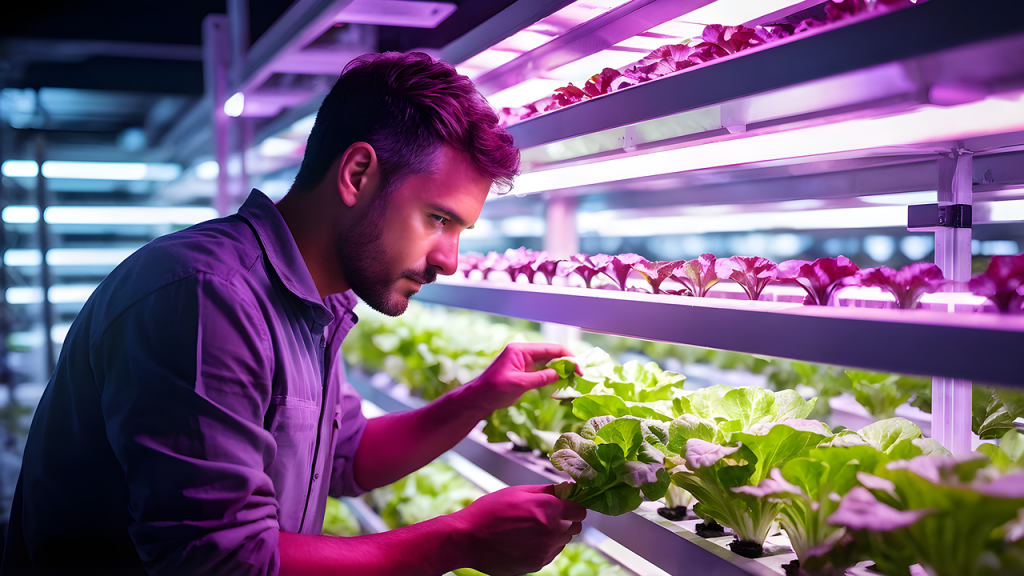
Can biodiversity finance be the missing link that the food industry needs?
Food supply chains account for a significant share of global environmental pressures, in particular for biodiversity loss. To guarantee food security, the global food system needs biodiversity. The list of services that biodiversity provide to food and agriculture is long. Biodiversity enables pollination, which increases fruit and seed production, it maintains soil health through nutrient cycling, ensuring fertile and productive land, and it helps controlling pests and diseases, reducing crop losses.
Investing in biodiversity not only protects nature but it can (and does) create jobs, reduces risks of pandemics and fights climate change. Moreover, biodiversity conservation has potential direct economic benefits for many sectors of the economy.
In the context of the food industry, biodiversity finance means designing investment models that reward farmers and companies for safeguarding biodiversity while producing food sustainably. The food industry can use biodiversity finance to influence clients and suppliers across value chains to improve their policies and practices, demand accurate quantitative monitoring and reporting from investees and drive financial flows towards more sustainable food systems.
When we invest in biodiversity and use Nature-based Solutions (NbS) – actions that support or leverage natural processes to address social, environmental, and economic challenges – we invest in the future and in the sustainability of the business model. Biodiversity finance really is a strategic business move. Let’s take, as examples, two key ecosystem services (ES): pollination and soil fertility, which directly or indirectly impact the cost and spending of agro-food businesses. With the decline of natural pollinators, more money is spent in manual pollination due the high labour inputs, high material costs, and required skills. The same is true for soil, the basis for all terrestrial life. The increasing rate of soil degradation, commonly caused by unsustainable farming behaviours worldwide, has major implications in biodiversity and consequently the health and fertility of soils.
An unhealthy soil is an unproductive soil, and unproductivity means economic loss. If companies redirected some of their capital to secure these ecosystem services, wouldn’t it reduce the risk of having to find quick and expensive solutions to long foreseen problems? Investing in biodiversity is investing in the long-term success of food industry.
But what do such investments look like concretely? Biodiversity finance investments for the food industry can be investments in:
- Regenerative farming;
- Programmes that promote soil health restoration;
- Agroecology and agroforestry systems;
- And more.
The common underlying reasoning is that biodiverse ecosystems are healthier, more productive, cost-effective and sustainable.
Biodiversity finance can help the agrifood sector become greener, but it can also make it more financially sustainable.
The NbS Dashboard as a tool for biodiversity finance
If it sounds so easy, why isn’t everyone already investing in nature, then? The truth is there is a global gap in finance for nature, induced by two main factors:
- The common resource problem: biodiversity and ecosystem services are public goods, and the values are not reflected directly in economic transactions, with the direct consequences of having private actors exploiting common resources for individual profit.
- The ignorance of value and risks: biodiversity is little valued, and the beneficiaries of ecosystem services are unaware of the importance of maintaining their health with preventive and restorative measures. Risks of nature loss are not accounted for in public or private finance.
A third reason can arise even when the two factors above are resolved. Virtuous supply chain actors – that consider biodiversity and ecosystem services as public goods to be preserved also to the benefit of the private sector – can incur in confusing and not categorized practices when following the path of biodiversity finance. The result? Additional efforts, in time and resources, spent in identify, monitor, and evaluate biodiversity investment under a non-standardized approach.
This is where BioFin-EU can help. One goal of the BioFin project is to minimise transaction and reporting costs associated with nature positive finance. The BIOFIN’S Nature-based Solutions Dashboard will put all actors around the table. Policymakers, investors, businesses – from different sectors, including the agri-food – will be able to identify, evaluate, and track investments that support biodiversity. The NbS Dashboard will contribute tackling obstacles and deficiencies in implementing the Sustainable Finance Taxonomy while offering guidance, training, and tools to support decision-making for investments in NbS, providing support for making financial decisions that promote positive impacts on nature.
The food industry has huge potential to influence the shift towards nature and ecosystems restoration.
The future of food and biodiversity can be one and the same.
—–
Mandatory Disclaimer:
BIOFIN-EU is funded by the European Union (GA No 101135476). Views and opinions expressed are however those of the author(s) only and do not necessarily reflect those of the European Union or the European Research Executive Agency (REA). Neither the European Union nor the granting authority can be held responsible for them. https://biofin-project.eu/
————–
About the Authors:
Inês Reis Santos is Communications Officer at ILSI Europe. She develops outreach strategies to make scientific findings accessible and engaging to wider audiences. With a background in Biology and a Master’s in Ecology and Environmental Management, Ines has focused her career on science communication, bridging the gap between science and society.
Andrea Colafranceschi is EU Project Manager at ILSI Europe. He works in the management of EU-funded proposals and projects. He holds a master’s degree in Law from the Università degli Studi di Roma Tor Vergata with a thesis on Environmental Crime and corporate responsibility.
Emilie Weynants holds a master’s degree in Bioengineering and another in Communications, both form the Catholic University of Louvain, Belgium. As Communication Manager, she leads ILSI Europe’s communication strategy and outreach activities. She is involved in several EU-funded projects as communication and dissemination partner.