WORKSHOP | Water resource challenges, policy and NbS
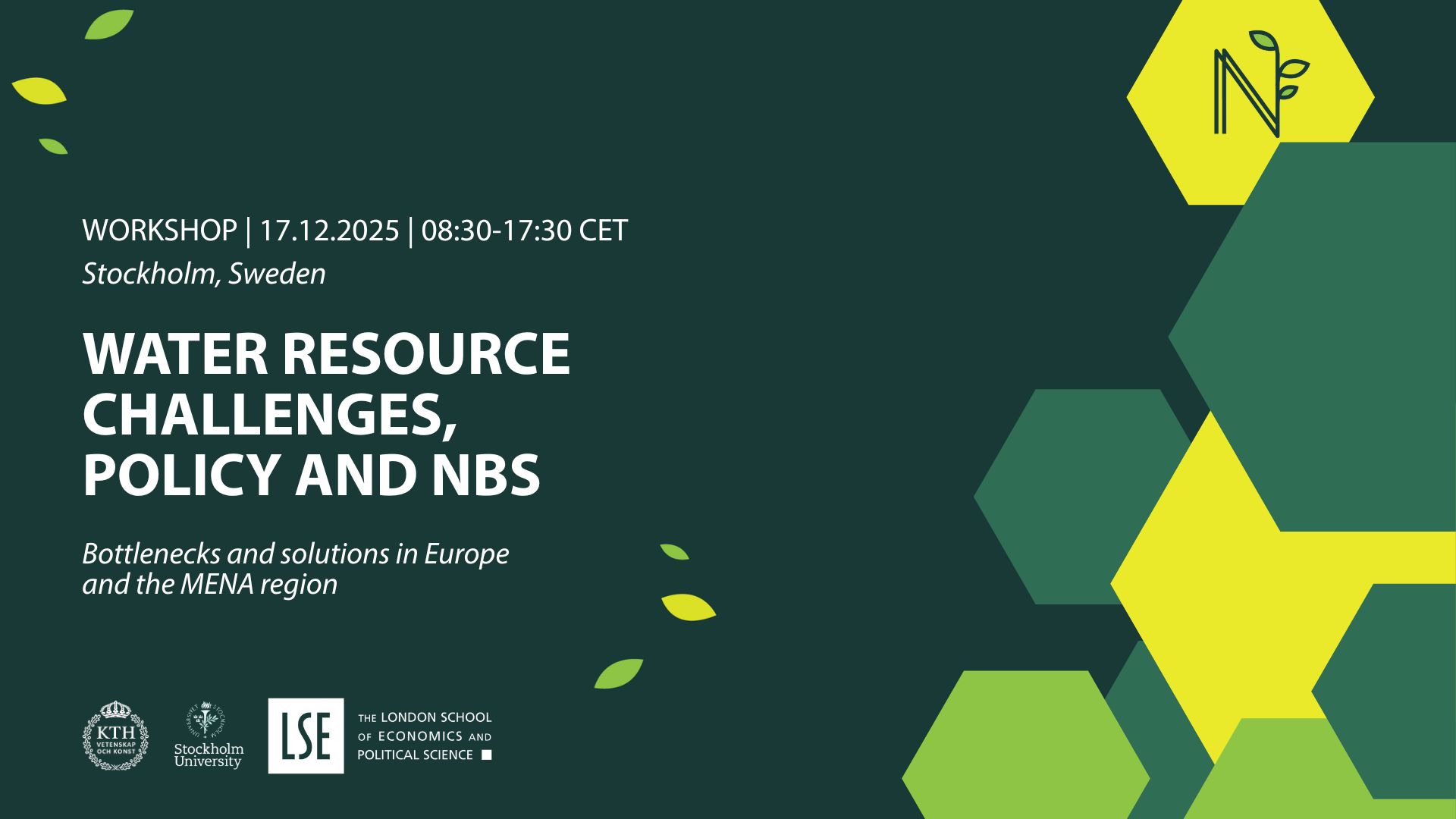
The NATURANCE’s sixth technical workshop took place in Stockholm, Sweden on December 17, 2025. The workshop aimed to identify bottlenecks in science, technology, policy and finance that hinder sustainable solutions for water resources in Europe and the MENA region (Middle East and North Africa), and make space for discussions on innovative, long-term solutions to current problems.
The workshop was co-organized by Stockholm University, the London School of Economics Middle East Centre, and the KTH Royal Institute of Technology. A total of 22 experts participated in the discussion, bringing backgrounds in Nature-based Solutions and water resource management, with particular expertise in policy solutions across Europe and the MENA region.
Participants represented organizations actively working on these wide-ranging topics, including Euro-Mediterranean Center on Climate Change, Lund University, UK Foreign Commonwealth and Development Office, MENA.SE, IMDEA Water, and The Royal Institute of Technology. The programme centered around the following three themes:
Water management challenges in Europe
Presentations during this session explored a Swedish case study on wetlands as a Nature-based Solution (NbS), innovative financing initiatives to increase NbS investment, water challenges and NbS to achieve carbon neutral cities, and co-creation processes for transformational adaptation. During the discussion, participants noted the barriers NbS face related to uncertainty, risk, and implementation. Solutions that center on co-benefits emerged as a useful way to make NbS more attractive and viable. Likewise, the discussion also touched on the importance of accounting for long-term, systemic benefits such as resilience, behavioral change, and local livelihoods. Another important takeaway that was discussed in-depth was the importance of a co-creation approach in adaptation planning. Accessible decision-support tools are essential to translate NbS from theory into practice in a successful way.
Water security challenges
The Tigris-Euphrates basin and Iraqi Kurdistan. The presentations touched on the common themes of rapid population growth and rising demand, challenges related to water supply and treatment infrastructure, and the need for new approaches to local and regional planning and management approaches.
Water security challenges
Israel, Jordan Palestine and Syria. The presentations in this session emphasized the research underway to understand how agricultural techniques and regional politics have affected, and will affect, water access. Research tools using remote sensing were highlighted as a solution that can be upscaled to inform better decision-making.
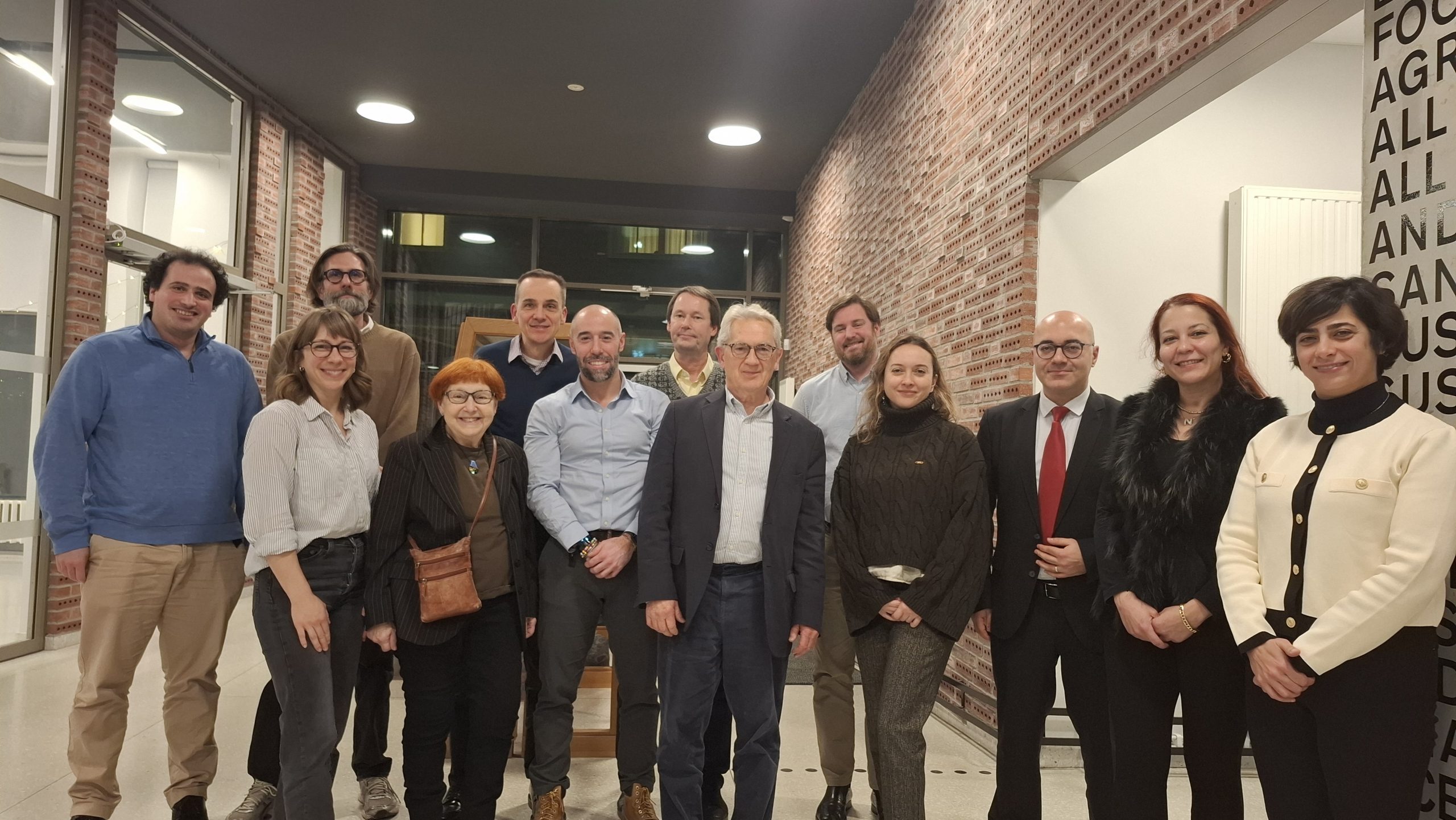
The takeaways from the workshop took place under Chatham House rules so only an overview was provided here. The workshop concluded with plans for future workshop discussions on these topics and bringing together diverse experts on NbS and water management from Europe and MENA.